The Standards Behind Ireland’s Clean Energy Transition
The Standards Behind Ireland’s Clean Energy Transition
The transition to cleaner energy is becoming increasingly visible in everyday life in Ireland, with solar panels appearing on more homes, heat pumps as standard in newly renovated buildings, electric vehicles growing in number and an increase in the amount of electricity being supplied to the grid.
Standards help ensure that products, systems and services are safe, reliable and compatible. They provide common technical requirements that manufacturers, installers, service providers, regulators and consumers can rely on. In the transition to cleaner energy, this can help to reduce unnecessary variation, support competition, improve consistency in installation and performance and make it easier for technologies to be deployed at scale.
For NSAI, this work takes place at national, European and international level, with Irish experts contributing to the development of standards that support the technologies and systems shaping the energy transition.
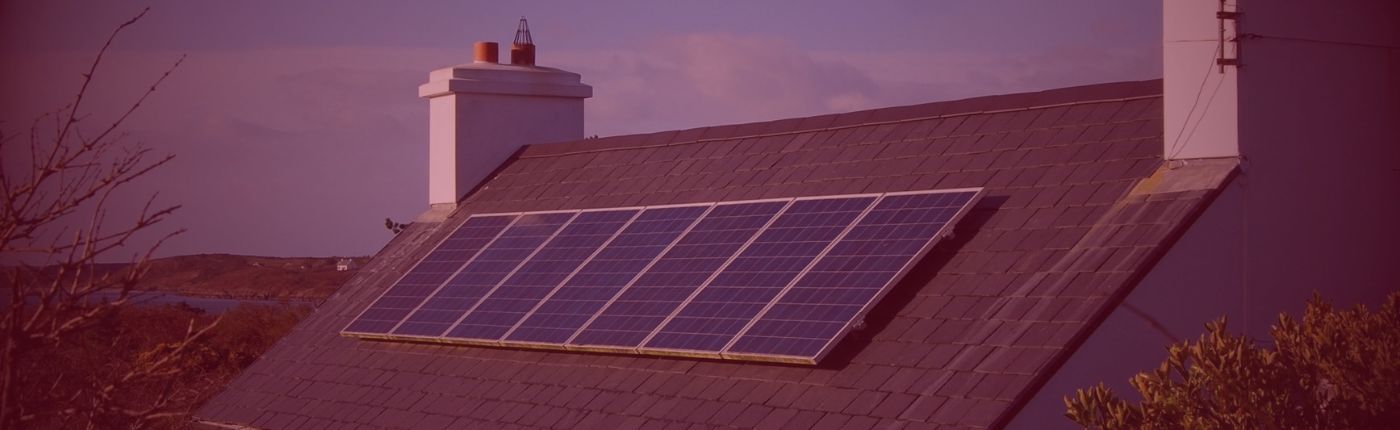
One of the clearest examples can be found in the home. Solar photovoltaic systems are now a familiar sight across Ireland, allowing households to generate electricity for their own use and, where appropriate, export excess electricity to the grid. NSAI has supported this area through Standard Recommendation (S.R.) 55 for the design and installation of domestic solar PV systems.
Heat pumps are another important part of the transition to lower-carbon heating. Their performance depends not only on the technology itself, but also on how systems are designed, sized and installed in individual buildings. S.R. 50-4, which addresses heat pump systems in dwellings, is part of NSAI’s wider work supporting good practice in building energy performance and retrofit.
As illustrated through these examples, the clean-energy transition is not simply about developing new technologies, it is also about ensuring that those technologies can be installed and used effectively in the real world. Good standards can help create confidence that products and systems will perform as intended, working safely with the buildings and infrastructure around them.
On a larger scale, Ireland’s electricity system is changing rapidly as greater levels of renewable generation are connected to the grid. Wind energy already plays a major role, while electricity storage, smart grids and connected devices are becoming more important in balancing supply and demand.
Standards support this increasingly complex energy system through establishing common approaches to areas such as safety, performance, communication and interoperability. This becomes particularly important as electricity generation, storage, buildings, vehicles and smart appliances become more interconnected. Systems developed by different manufacturers need to be capable of working together reliably if the benefits of a smarter energy system are to be realised.
Electrification of transport provides another familiar example. As the number of electric vehicles increases, drivers need confidence that charging infrastructure is safe, dependable and compatible with the vehicles they use. Standards help provide common technical foundations for charging equipment and associated electrical systems, supporting the development of infrastructure that can expand alongside demand.
Through NSAI, Irish stakeholders can contribute directly to the European and international standards that underpin these developments. Participation gives Ireland an opportunity to bring national experience and expertise into discussions that ultimately shape products, infrastructure and markets both here and abroad.
This year’s World Standards Day theme, “Affordable and Clean Energy”, reflects the wider challenge of delivering cleaner energy systems in a way that is practical and sustainable. Standards cannot determine the price of energy, but they can support efficient deployment by promoting compatibility, consistency and confidence across technologies and markets.
World Standards Day is a reminder that standards are developed through participation. Standards draw on the knowledge and experience of industry, public bodies, researchers, consumers and technical experts. Get involved in standardisation with NSAI - Register Your Interest Here | NSAI.
As Ireland continues its transition towards a cleaner and more electrified energy system, that participation will remain important. The technologies may be increasingly visible, but the standards helping them work safely, reliably and effectively will often remain behind the scenes.
[Disclaimer: All reasonable effort was made to ensure that the information on this page was correct at the time of publication. Any views or opinions expressed on this page are not necessarily those of NSAI. NSAI accepts no responsibility or liability howsoever arising from the contents of this publication or any errors, inaccuracies, or omissions in the contents of the information provided therein.]